
Independent editorial guide
Decoding the Mystique of Teen Patti: From Code to Cash (and Maybe Some Virtual Gold!)

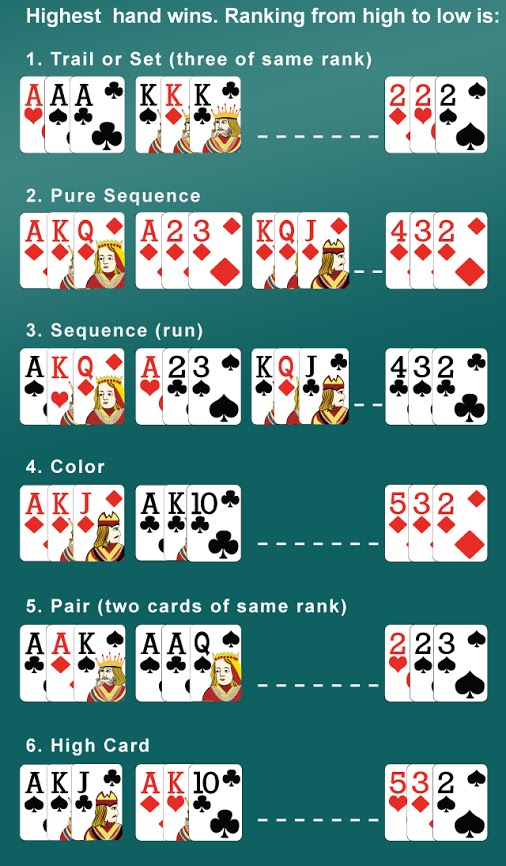
Teen Patti, the beloved card game that’s swept across India (and the world!), isn’t just about luck. There’s strategy, psychology, and even a bit of code wizardry behind those thrilling hands. So, if you’ve ever wondered how the digital magic happens or just how those winning “Teen Patti hands name” (like a Trail or a Set) actually work, you’re in the right place. And hey, who wouldn’t want to dive into a gold rush for ₹2,000 while they’re at it?
Let’s first talk about the hidden engine that drives online Teen Patti: the “teen patti source code project.” Now, I’m not suggesting you suddenly become a coding ninja and build your own game (unless you want to, of course – that’s awesome!). But understanding a little about how the game is built digitally can actually give you a slight edge. Imagine knowing the logic behind the shuffling algorithm (no, I’m not saying the games are rigged, calm down!). It’s like knowing the dealer’s tell, only it’s a digital wink.
The code is the blueprint for everything – dealing cards, calculating hand rankings, even ensuring fair play. Think of it as the digital dealer, always shuffling, always dealing, and never complaining about sore wrists. This code is rigorously tested and refined, making sure those “Gold Rush” coins worth ₹2,000 are won fair and square. And speaking of gold, think of how much cooler it would be to win that virtual gold knowing you understand the digital gears turning beneath the surface.
Now, let’s move onto the hands themselves – the very core of Teen Patti’s heart-stopping excitement. You see, calling out “Trail” or “Pair” just isn’t as satisfying as dropping a booming “Three of a Kind” or “Two of a Kind” on the table (virtually, of course). Understanding “teen patti hands name” is like learning the secret language of the game.
So here’s a quick rundown of those winning hands, from best to… well, let’s just say “less best:”
- Trail (Three of a Kind): Three cards of the same rank. The higher the rank, the better. Think three Aces. Boom! Mic drop.
- Pure Sequence (Straight Flush): Three consecutive cards of the same suit. This one’s smooth, like butter.
- Sequence (Straight): Three consecutive cards, not necessarily of the same suit. Still pretty darn good.
- Colour (Flush): Three cards of the same suit, but not consecutive. Style points awarded!
- Pair (Two of a Kind): Two cards of the same rank. Respectable.
- High Card: If none of the above apply, the highest card wins. It’s the underdog story of Teen Patti!
Knowing the hands inside and out is crucial for making strategic decisions. Should you see, raise, or fold? The answer lies in understanding your hand’s strength relative to your opponents’. It’s like a poker face, only instead of a blank stare, it’s a confident grin because you know you’ve got the upper hand (pun intended!).
Game
Download the game by clicking the icon below:

Check sources before acting
Use this directory to compare information, not to certify an installer or an operator. No gameplay, withdrawal or malware test is implied unless the article presents specific evidence of that work.
Shared-file information · Responsible gaming · Report a correction